When Was Asbestos Banned In Australia? What Homeowners Need To Know Before Renovating
If you are wondering when asbestos was banned in Australia, the key date is 31 December 2003. That is when the Australia-wide ban on the manufacture, import, supply and use of asbestos took effect.
For renovators, that matters because “pre-1990” is not a reliable cut-off. Asbestos products were phased out over time, and materials containing asbestos can still be present in buildings and products dating from before the end of 2003. That means a home does not have to look like an old fibro house to warrant caution before walls, ceilings, eaves, flooring or other materials are disturbed.
What Year Was Asbestos Banned In Australia?
The full national ban came into effect on 31 December 2003.
Before that date, asbestos use had already been declining and particular asbestos types and products had been restricted or phased out earlier. That is why people sometimes hear earlier dates quoted and assume there was one simple national cut-off.
The important distinction for homeowners is that the final Australia-wide prohibition on asbestos use, manufacture and import did not begin until the end of 2003. So if you're wondering what year asbestos was banned in Australia, 2003 is the date to remember.
Is Asbestos Banned In Australia Today?
Yes, asbestos is banned in Australia, and it is illegal to manufacture, import, supply or use asbestos except in limited prescribed circumstances.
The ban did not require every asbestos-containing material already installed in Australian homes and buildings to be removed immediately.
That is why asbestos cement sheeting, roofing, cladding, vinyl products, flues, gutters, electrical components, brakes, clutches, gaskets and other older asbestos-containing materials can still be encountered today.
For renovators, the practical issue is not whether asbestos is legal to install now. It is whether material already present in the property could contain asbestos and be disturbed during the work.
Why “Pre-1990” Is Not A Safe Renovation Cut-Off
Many homeowners have heard that asbestos is mainly a problem in homes built before 1990.
Older buildings are certainly an important risk group, but using 1990 as a hard cut-off can create false confidence.
Asbestos products were progressively removed from production and sale, rather than disappearing from every product category on the same day. Some uses were restricted earlier, while the final nationwide ban did not take effect until 31 December 2003.
This means a house built or renovated during the 1990s or early 2000s should not automatically be assumed asbestos-free based on age alone.
The safest approach is to consider the age of the building alongside the actual materials present and the work planned.
Where Might Asbestos Be Found Before A Renovation?
Asbestos was used in a wide range of building and manufactured products before the ban.
Potential locations can include:
- Fibre-cement wall and ceiling sheeting
- External cladding
- Eaves and soffits
- Roofing products
- Flue pipes
- Gutters and drainage products
- Vinyl flooring and associated materials
- Electrical boards and insulation
- Some older gaskets and friction products
Safe Work Australia also notes that asbestos may still be found in older buildings, appliances and machinery because materials installed before the ban were not automatically removed when the prohibition began.
If your home's age places it within the potential risk period, this guide on How To Tell If Your Lismore Property Contains Asbestos explains what to look for before renovation work starts.
The appearance of a material alone cannot reliably confirm whether it contains asbestos. Testing is the appropriate way to obtain certainty where asbestos is suspected.
What Is Non-Friable Asbestos?
Non-friable asbestos, sometimes called bonded asbestos, is material where asbestos fibres are bound into another substance such as cement or resin.
Common examples historically included asbestos-cement sheets and other bonded building products.
Safe Work Australia distinguishes this from friable asbestos, which can be easily crumbled into powder and presents a higher risk of airborne fibres being released when handled. Non-friable asbestos can also release fibres if it is damaged, broken, drilled, cut or otherwise disturbed.
That distinction matters when planning removal because different licence classes apply.
In NSW, a Class B asbestos removal licence allows the removal of non-friable asbestos only. Friable asbestos requires a Class A licensed removalist.
What Should You Do Before Starting Renovation Work?
Before cutting into walls, pulling down sheeting or stripping out older building materials, it is worth establishing whether suspected asbestos-containing material is present.
A sensible sequence is:
- Check when the property was built and whether it has been renovated since.
- Identify materials that will be disturbed by the planned work.
- Arrange professional assessment or testing where asbestos is suspected.
- Confirm whether the material is friable or non-friable.
- Use the appropriate licensed removalist where licensed removal is required.
- Only begin the renovation or demolition work after the relevant asbestos risk has been addressed.
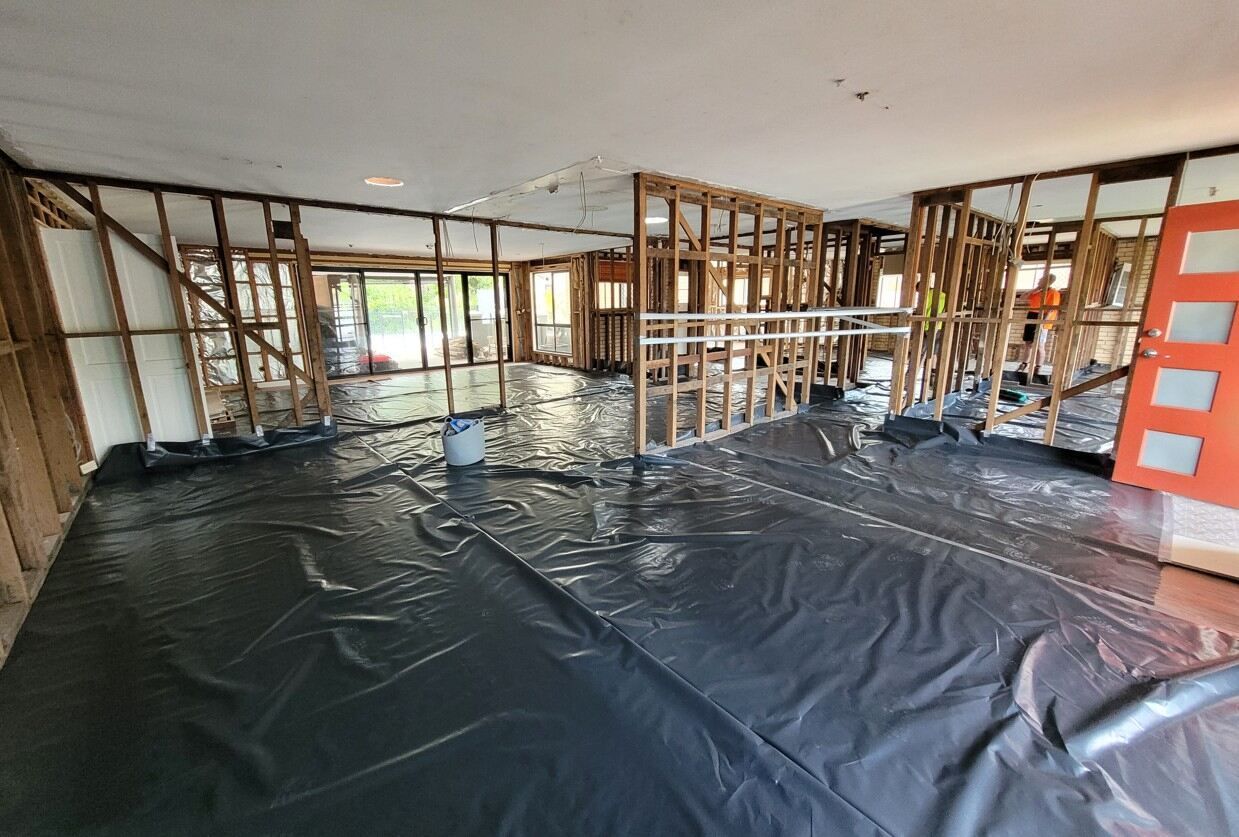
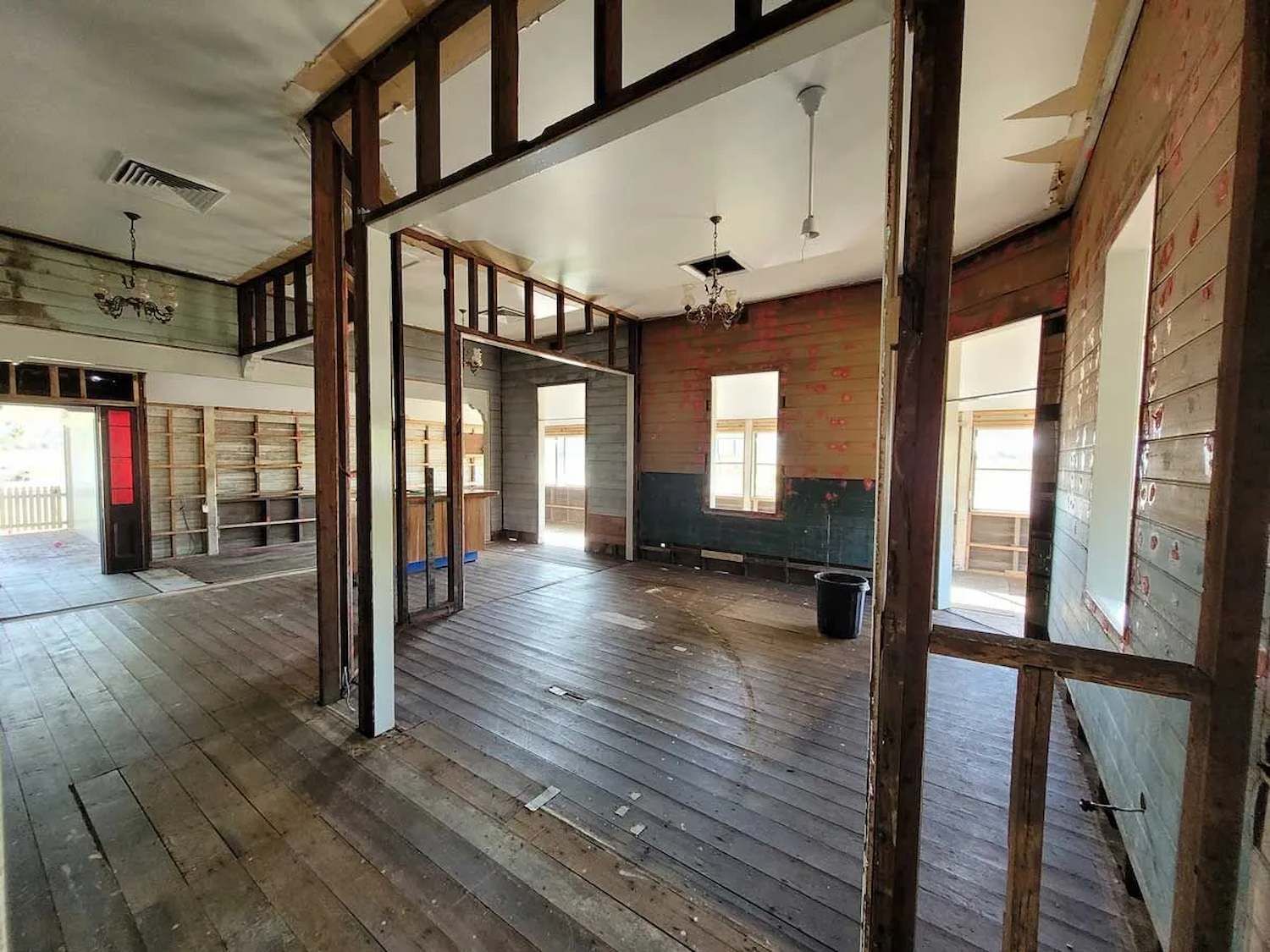
This is especially important for projects involving wall removal, bathroom or kitchen strip-outs, extensions and larger demolition works.
Where asbestos-containing material needs to be cleared before building work continues, demolition and renovation prep should be planned around the asbestos assessment rather than treated as the first step.
Can You Remove Asbestos Yourself In NSW?
NSW rules distinguish between friable and non-friable asbestos.
SafeWork NSW states that limited unlicensed removal of non-friable asbestos can be permitted where the total area does not exceed 10 square metres. However, it recommends using a licensed asbestos professional for any amount of asbestos removal.
More than 10 square metres of non-friable asbestos requires the appropriate Class B or Class A licence. Any amount of friable asbestos requires a Class A licensed removalist.
The fact that limited DIY removal may be legally permitted in some circumstances does not make asbestos an ordinary renovation material. Disturbing it can release hazardous fibres, so uncertainty about the material is a reason to stop and get it assessed rather than continue pulling it apart.
Plan Asbestos Removal Before The Renovation Starts
At Accredited Asbestos Removers, we hold Non-Friable Asbestos Removal Licence 2315824 and provide licensed removal of non-friable asbestos-containing materials. Our licence does not cover friable asbestos, so any friable material identified should be referred to an appropriately licensed Class A asbestos specialist.
If you're planning a renovation and want suspected material checked before work begins, our asbestos removal in Lismore service can help with suitable non-friable asbestos removal once the material and scope have been identified.
If you are unsure whether the age of your property puts it within the risk window, get in touch before you start cutting, drilling or demolishing potentially affected materials.
Frequently Asked Questions
When was asbestos completely banned in Australia?
The nationwide ban took effect on 31 December 2003. Earlier restrictions and phase-outs had already reduced asbestos use, but the final national prohibition on manufacture, import, supply and use began at the end of 2003.
Does a house built in the 1990s still need to be checked for asbestos?
It can. We would not use 1990 as an automatic asbestos-free cut-off. If a house was built or renovated before the end of 2003 and materials will be disturbed, the age, product type and renovation history should be considered before work begins.
Can Accredited Asbestos Removers remove all types of asbestos?
No. We hold Non-Friable Asbestos Removal Licence 2315824, so our removal work is limited to non-friable asbestos. If material is identified as friable asbestos, it needs to be handled by a suitably licensed Class A removalist.
How can I tell whether wall sheeting contains asbestos?
You generally cannot confirm asbestos content by appearance alone. If the sheeting is old enough to be suspect and the renovation will disturb it, we recommend arranging appropriate identification or testing before cutting, sanding, drilling or removing it.
Is asbestos still dangerous if it is bonded into cement?
Non-friable asbestos has its fibres bound into materials such as cement or resin, but it can still release airborne fibres if the material is damaged or disturbed. We treat suspected bonded asbestos carefully and recommend having it assessed before renovation work affects it.