The Importance Of Pre-Demolition Asbestos Inspections In Lismore
Asbestos removal in Lismore is one of those steps in a demolition project that cannot be skipped, deferred or assumed unnecessary. Under NSW Work Health and Safety legislation, properties built before 2004 must have asbestos-containing materials identified before any demolition or major renovation work begins. For Lismore — a region with a significant proportion of older housing stock, including many properties built in the fibro construction era — this is not a remote regulatory concern. It is a practical reality that affects a large number of residential, commercial and industrial properties across the area.
Why Pre-Demolition Asbestos Inspections Are a Legal Requirement
Asbestos removal in NSW is governed by Work Health and Safety legislation that places a legal duty on property owners, builders and developers to identify asbestos-containing materials before demolition or major renovation work commences. This obligation exists because asbestos that is disturbed during demolition without proper identification, containment and removal creates a serious health and safety risk to workers, neighbouring properties and the public.
Asbestos cannot be identified by sight. Materials that contain asbestos — including certain wall sheeting, roof sheeting, floor tiles, ceiling tiles, pipe lagging, insulation and adhesives — look identical to their non-asbestos counterparts. The only reliable way to confirm whether a material contains asbestos is through a professional inspection involving sample collection and laboratory analysis.
For demolition projects in Lismore, failing to conduct a pre-demolition asbestos inspection is not just a procedural oversight. It is a breach of WHS obligations that can result in project shutdowns, significant fines and, in the worst cases, genuine harm to people on and around the site.
What a Pre-Demolition Asbestos Inspection Involves
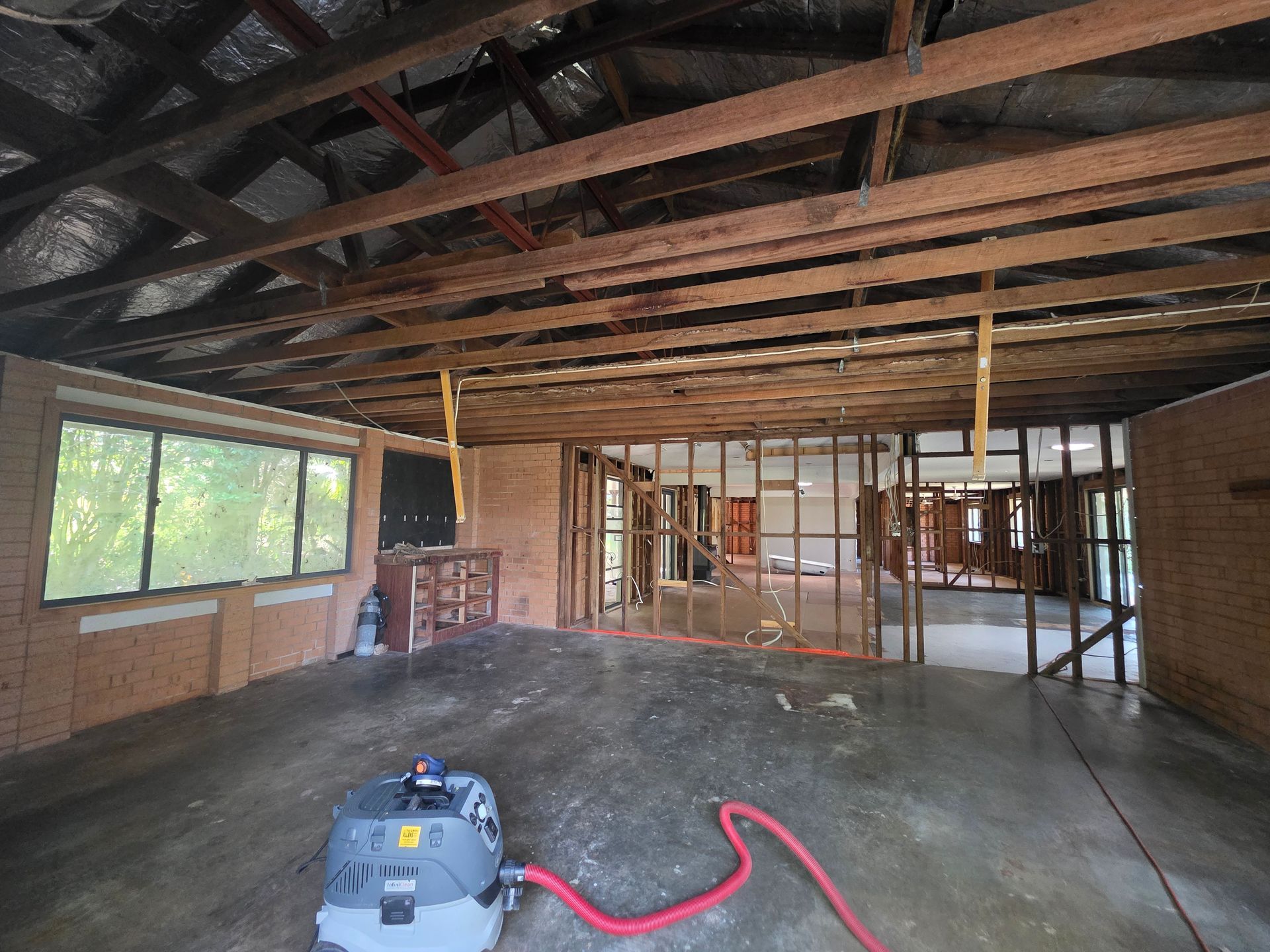
A pre-demolition asbestos inspection is a systematic assessment of a property to identify all materials that may contain asbestos before any demolition work commences. The inspection covers all accessible areas of the structure, including the roof, walls, floors, ceilings, eaves, subfloor and any outbuildings or structures on the site.
Where materials are suspected to contain asbestos, samples are collected by a trained assessor and sent to an accredited laboratory for analysis. The results of this analysis form the basis of an asbestos register and management plan that documents the location, type, condition and extent of all identified asbestos-containing materials on the site.
This documentation serves multiple practical purposes. It gives the demolition contractor a clear picture of what needs to be removed before structural demolition begins. It provides the property owner with a compliance paper trail that demonstrates due diligence under WHS obligations. And it informs the removal scope and cost estimate so there are no unexpected discoveries mid-project that delay the programme.
How Skipping an Inspection Creates Costly Problems
The most common reason property owners and smaller developers skip or delay a pre-demolition asbestos inspection is cost or schedule pressure. The inspection feels like an additional step that adds time and money to a project that has already been budgeted.
In practice, skipping the inspection almost always costs more than conducting it. Asbestos discovered mid-demolition halts work immediately. The site must be isolated, uncontaminated materials and equipment must be secured, and a licensed asbestos removal contractor must be engaged before work can resume. In Lismore's building environment, where trades are typically booked in sequence, this kind of unplanned delay cascades across the full project programme.
Beyond the cost of the unplanned stop, there is the regulatory exposure. A demolition contractor who discovers asbestos mid-project and cannot demonstrate that a compliant pre-demolition inspection was conducted is in a difficult position with SafeWork NSW. The cost of responding to a regulatory investigation, a stop-work notice or a compliance notice significantly exceeds the cost of the inspection that would have prevented the situation.
Asbestos in Lismore Properties: What to Expect
Lismore has a substantial proportion of residential and commercial properties built during the period when asbestos was widely used in Australian construction — roughly from the 1940s through to the late 1980s. Fibro sheeting, in particular, was heavily used across the Northern Rivers for wall and ceiling linings in houses, sheds, garages and commercial buildings during this period.
Common locations where asbestos-containing materials are found in Lismore properties include external wall cladding, internal wall linings, eaves and soffits, roofing materials on older structures, floor tiles and the adhesive beneath them, pipe lagging, and textured ceiling coatings. Properties that have been partially renovated over the years may have asbestos in some areas and replacement materials in others, making a systematic inspection more important rather than less.
For builders and developers planning demolition in Lismore, the age of the structure is the primary indicator of risk. Any structure or part of a structure built before 1990 should be treated as potentially containing asbestos until a professional inspection confirms otherwise.
The Removal and Disposal Process in Lismore
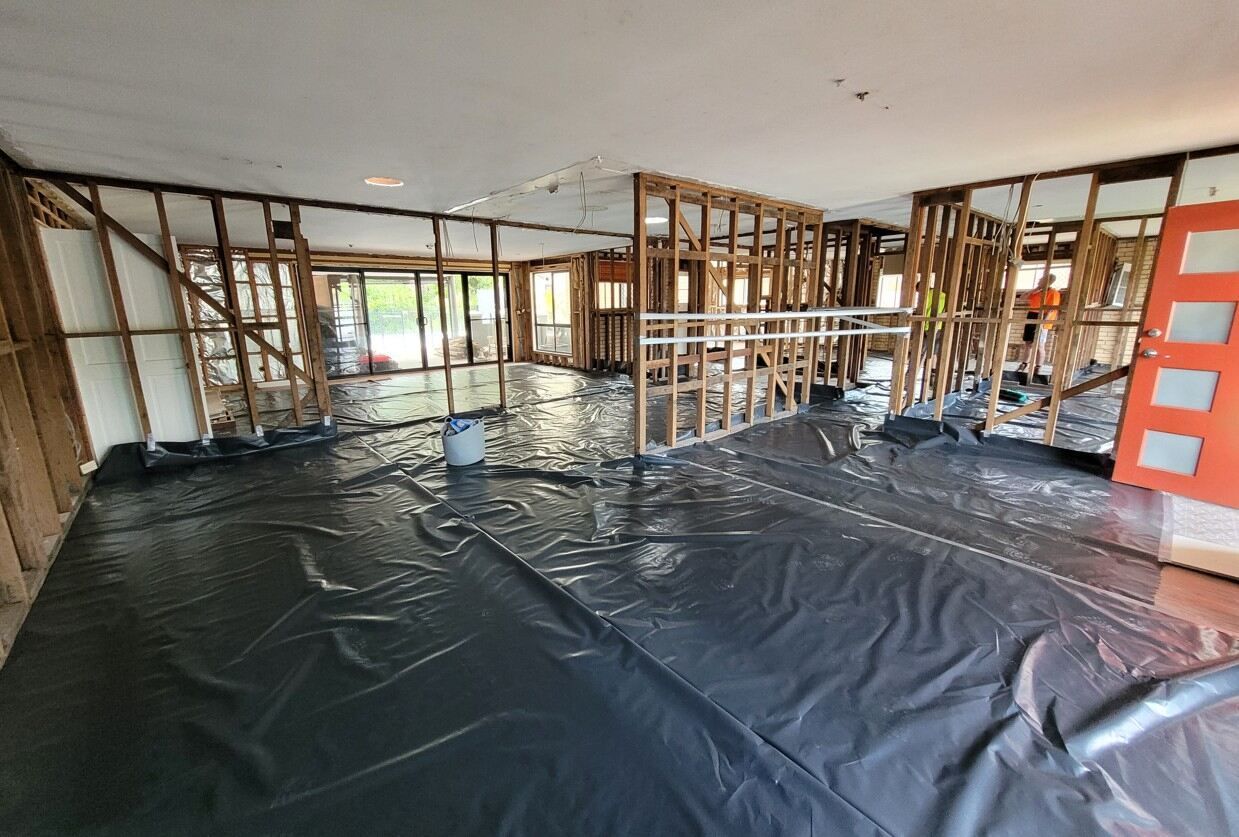
Once the pre-demolition inspection is complete and asbestos-containing materials have been identified, licensed asbestos removal must be carried out before structural demolition begins. In NSW, friable asbestos must be removed by a licensed Class A asbestos removalist. Non-friable asbestos in quantities above 10 square metres must also be removed by a licensed removalist.
All asbestos waste removed from Lismore properties must be double-wrapped in labelled, heavy-duty polythene sheeting and transported under a waste transport certificate to an EPA-licensed disposal facility. Lismore City Council's waste facilities have specific protocols for asbestos disposal, and for commercial or large-scale projects, all disposal is managed through licensed carriers with full documentation.
A compliant removal contractor will provide the property owner with copies of the waste transport certificate and disposal records on completion, giving a complete compliance paper trail that can be produced if required by a regulator, insurer or future purchaser.
Planning Your Demolition Project in Lismore
The most straightforward way to manage asbestos risk on a demolition project in Lismore is to build the inspection into the project programme from the start, not as an afterthought once demolition planning is already advanced. Engaging a licensed asbestos inspector at the planning stage provides the information needed to scope the removal work, obtain accurate removal quotes and build the removal timeline into the overall programme before other trades are booked.
For anyone searching for asbestos removal near them in Lismore and the Northern Rivers, engaging a locally based, licensed removalist ensures familiarity with local council protocols and EPA-licensed disposal facilities in the region. This approach avoids the scenario where the inspection and removal are rushed to catch up with a programme that was designed without them, which tends to produce both a worse outcome and higher costs.
Talk to Accredited Asbestos Removers About Your Lismore Project
Accredited Asbestos Removers provides
asbestos removal in Lismore and across the Northern Rivers, including Alstonville, Bangalow, Nimbin, Goonellabah and surrounding areas. The team is licensed, insured and experienced across residential, commercial and industrial asbestos removal and demolition projects, with all waste transported and disposed of under waste transport certificates to EPA-licensed facilities.
Get in touch with Justin and the team on
0434 213 985 to discuss your project and arrange an on-site consultation and quote.
Frequently Asked Questions
Is a pre-demolition asbestos inspection legally required in NSW?
Yes. Under NSW Work Health and Safety legislation, an asbestos inspection must be conducted before demolition or major renovation work begins on any structure that may contain asbestos-containing materials. This obligation applies to property owners, builders and principal contractors involved in the project.
How do I know if my Lismore property contains asbestos?
Asbestos cannot be identified visually. Any property built before 1990 should be treated as potentially containing asbestos until a professional inspection involving sample collection and laboratory analysis confirms the position. Properties built between 1990 and 2004 may also contain asbestos in some materials and should be assessed if demolition or major renovation is planned.
Can demolition proceed while asbestos is still present in the structure?
No. Licensed asbestos removal must be completed before structural demolition commences on any areas where asbestos-containing materials have been identified. Proceeding with demolition before removal is complete creates serious WHS breaches and health risks.
How long does asbestos removal take before demolition can start?
The duration depends on the quantity, type and location of asbestos-containing materials identified in the inspection. Small residential jobs may be completed in a day or two. Larger or more complex structures can take longer. An accurate timeframe is provided once the scope of removal is confirmed following the inspection.
What documentation is provided after asbestos removal in Lismore?
A compliant asbestos removal contractor provides copies of the waste transport certificate and EPA-licensed disposal records on completion of the job. This documentation forms part of the compliance paper trail for the project and can be produced if required by regulators, insurers or future property owners.