How To Tell If Your Lismore Property Contains Asbestos (Step-by-step)
Many property owners in the Northern Rivers are unaware that asbestos may still be present in their homes, sheds, investment properties or commercial buildings. Because it was widely used for decades, asbestos remains hidden in countless structures built before the late 1980s. Asbestos removal Lismore services are frequently required when renovations uncover materials that have been sitting undisturbed for years.
The risk with asbestos is not simply that it exists, but that it becomes dangerous when disturbed. Cutting, drilling, sanding or demolishing affected materials can release microscopic fibres into the air. These fibres can then be inhaled, creating serious long-term health consequences. Understanding how to identify potential asbestos risks before starting work is essential for protecting your family, staff or tenants.
This step-by-step guide will help you recognise warning signs and understand when to involve licensed professionals.
Step 1: Understand What Asbestos Is & Why It Was Used
Asbestos is a naturally occurring mineral that was widely used in Australian construction throughout much of the twentieth century. It was popular because it was strong, resistant to fire and heat, and provided effective insulation. It was also affordable and easy to incorporate into cement products and building materials.
Because of these qualities, asbestos was added to wall sheeting, roofing materials, insulation products and flooring. At the time, its health risks were not fully understood.
Today we know that when asbestos fibres are disturbed and inhaled, they can cause severe illnesses many years later. The danger lies in airborne exposure, not simply in the material existing.
Step 2: Check the Age of Your Property
One of the clearest indicators of potential asbestos presence is the age of the building. If your property in Lismore was constructed or renovated before the late 1980s, there is a strong possibility asbestos-containing materials were used.
Although Australia introduced a complete ban in 2003, materials installed decades earlier may still remain in place.
Properties most likely to contain asbestos include:
- Homes built before 1987
- Older farmhouses, sheds and rural outbuildings
- Commercial premises constructed before modern regulations
- Investment properties that have not undergone major renovations
If your building falls within this timeframe, it is wise to proceed cautiously before starting any alterations.
Step 3: Identify Common Areas Where Asbestos Was Used
Asbestos was used in many different parts of residential and commercial buildings. It is often bonded within cement products, which means it may not be immediately obvious.
Common locations include:
- Cement wall sheeting in bathrooms, laundries and kitchens
- Eaves, soffits and ceiling linings
- Corrugated roofing sheets and guttering
- Vinyl floor tiles and adhesive backing
- Fencing panels and external cladding
- Insulated pipes or backing boards
Because asbestos products can look similar to modern materials, visual identification alone is not reliable. If in doubt, always assume older materials could contain asbestos.
Step 4: Look for Physical Warning Signs
While testing is the only way to confirm asbestos, certain characteristics may raise suspicion. Older asbestos cement sheeting can appear slightly dimpled or fibrous at broken edges. It may also be brittle or weathered.
You might notice:
- Cracked or flaking cement sheets
- Aged corrugated roofing without manufacturer markings
- Old vinyl tiles with black adhesive residue
- Worn fencing panels that appear cement-based
Deterioration increases the risk of fibre release. If materials are damaged, avoid disturbing them and seek professional advice.
Step 5: Be Extra Careful During Renovations
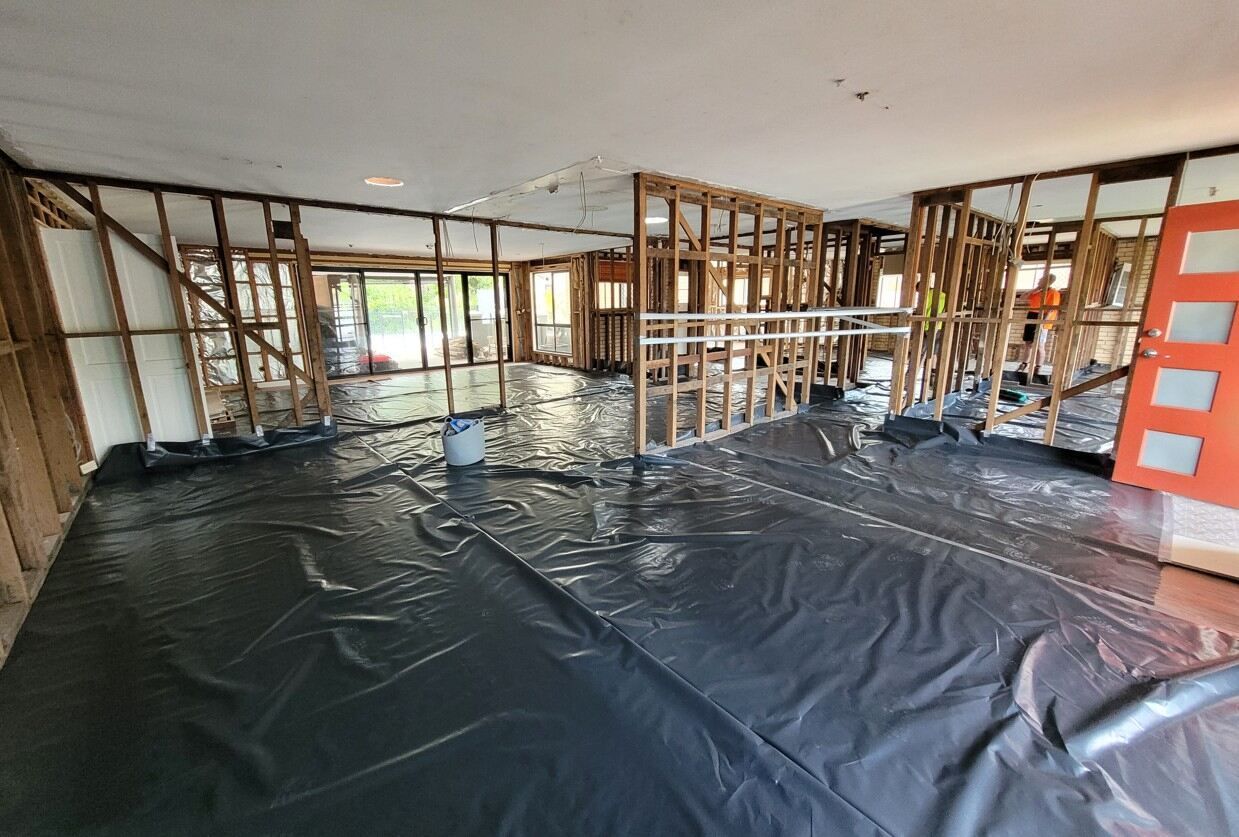
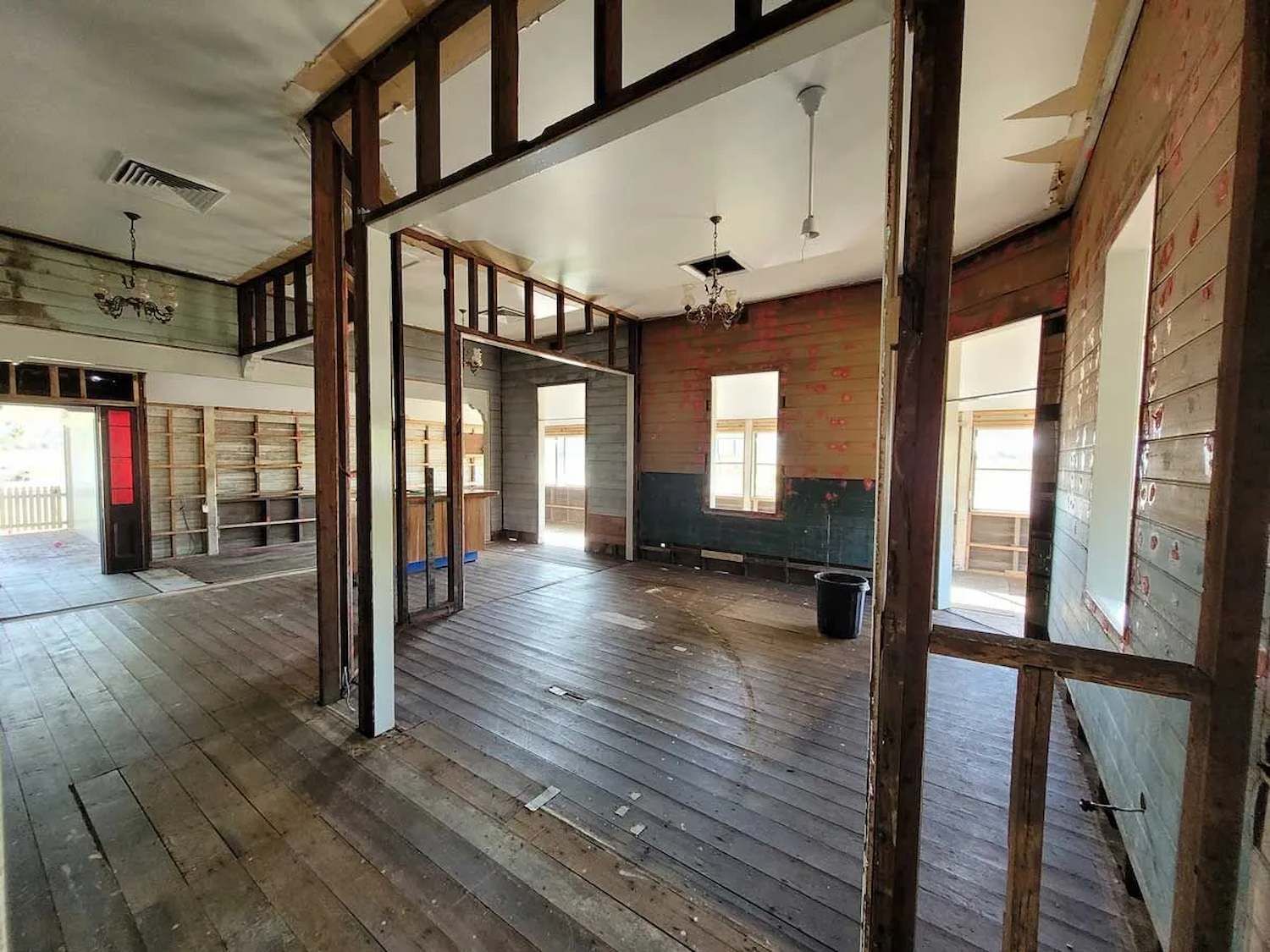
Many asbestos exposure incidents occur during home improvements. Drilling into walls, removing old flooring, replacing roofing sheets or demolishing internal partitions can disturb asbestos-containing materials.
Even minor activities can release fibres into the air.
High-risk renovation activities include:
- Sanding or grinding surfaces
- Cutting through wall linings
- Removing old ceiling sheets
- Demolishing garages or sheds
If you are planning any work on an older property, consider arranging an inspection before beginning. Licensed asbestos removal Lismore specialists are trained to assess risks safely.
Step 6: Understand the Serious Health Risks
The most concerning aspect of asbestos is its long-term health impact. When fibres are inhaled, they can become lodged in lung tissue. Over time, this can lead to diseases such as asbestosis, lung cancer and mesothelioma.
These illnesses often develop decades after exposure, which is why prevention is so important. There is no safe level of airborne asbestos exposure.
Health risks include:
- Progressive lung scarring
- Reduced respiratory function
- Increased cancer risk
- Life-threatening illness many years later
Because symptoms can take 20 to 40 years to appear, avoiding exposure altogether is the only safe option.
Step 7: Never Attempt DIY Removal
It can be tempting to remove suspect materials yourself, especially in smaller projects. However, handling asbestos without proper licensing and equipment is extremely dangerous.
Licensed professionals follow strict containment procedures, use specialised protective gear and ensure safe disposal at approved facilities. They are trained to prevent fibre contamination of surrounding areas.
DIY removal can:
- Spread fibres throughout your home
- Contaminate clothing and vehicles
- Expose family members or neighbours
- Result in legal penalties for improper disposal
Professional removal ensures compliance and safety at every stage.
Step 8: Arrange a Professional Inspection
If you suspect asbestos may be present, the safest next step is a professional inspection. Qualified contractors can assess materials and, where necessary, arrange laboratory testing to confirm whether asbestos is present.
Professional asbestos removal Lismore services manage the full process from inspection to safe disposal. This approach minimises risk and provides peace of mind.
A professional service typically includes:
- Site inspection and risk assessment
- Controlled removal procedures
- Safe packaging and transport
- Compliant disposal
Acting early prevents accidental exposure and protects everyone on the property.
Protecting Your Lismore Property the Right Way
Asbestos remains a hidden issue in many older homes and commercial buildings throughout the region. The key is recognising the warning signs and avoiding disturbance until a professional assessment is completed.
If your property was built before modern regulations or you are planning renovations, do not take unnecessary risks. At Accredited Asbestos Removers, we provide licensed asbestos removal Lismore property owners trust for safe, compliant and thorough service. Our experienced team manages inspections, removal and disposal with strict adherence to safety standards.
If you have concerns about asbestos in your home or commercial premises, call 0434 213 985 to arrange a professional assessment today.