Asbestos Removal in Lismore
Asbestos remains one of the most misunderstood hazards found in buildings. It is not something that looks dangerous at a glance, nor does it cause immediate symptoms when disturbed. This makes it particularly risky, as exposure often happens without people realising it at the time. For many property owners, asbestos only becomes a concern during renovations, maintenance work, or demolition, when materials are cut, drilled, or removed.
What makes asbestos especially dangerous is the long delay between exposure and illness. People can inhale fibres today and not experience health effects for decades. This article explores why asbestos exposure is such a serious issue, where asbestos is commonly found, how everyday activities can release fibres, and why professional asbestos removal is essential for protecting health and safety.
Why asbestos exposure remains a serious but often overlooked risk
Asbestos exposure is dangerous because the fibres are microscopic, airborne, and easily inhaled. Once inhaled, they can lodge in lung tissue and remain there permanently. The body is unable to break down or expel these fibres, which can lead to inflammation and disease over time.
Exposure is often overlooked because it does not cause immediate discomfort. Common situations where exposure can occur include:
- Renovation or repair work involving older materials
- Accidental disturbance of wall linings, ceilings, or roofing
- Deterioration of asbestos-containing products over time
Because there is no instant warning sign, people may continue working in contaminated areas without protection. Professional asbestos removal reduces this risk by ensuring materials are identified and managed before fibres become airborne.
Common places asbestos is still found in older homes and buildings
Asbestos was widely used in construction for many years due to its fire resistance, durability, and insulating properties. As a result, it can still be present in a wide range of building materials, particularly in structures built or renovated decades ago.
It is commonly found in cement sheeting, roofing materials, eaves, wall linings, insulation products, vinyl flooring backing, and textured coatings. These materials may appear solid and harmless until they are disturbed. Asbestos removers are trained to identify suspect materials and assess their condition. Even materials in reasonable condition can become hazardous if damaged, highlighting the importance of professional assessment before any work begins.
How everyday renovations can release hazardous asbestos fibres
Renovation work is one of the most common triggers for asbestos exposure. Activities that break, cut, or abrade asbestos-containing materials release fibres into the air, where they can spread beyond the immediate work area.
Common renovation activities that pose a risk include:
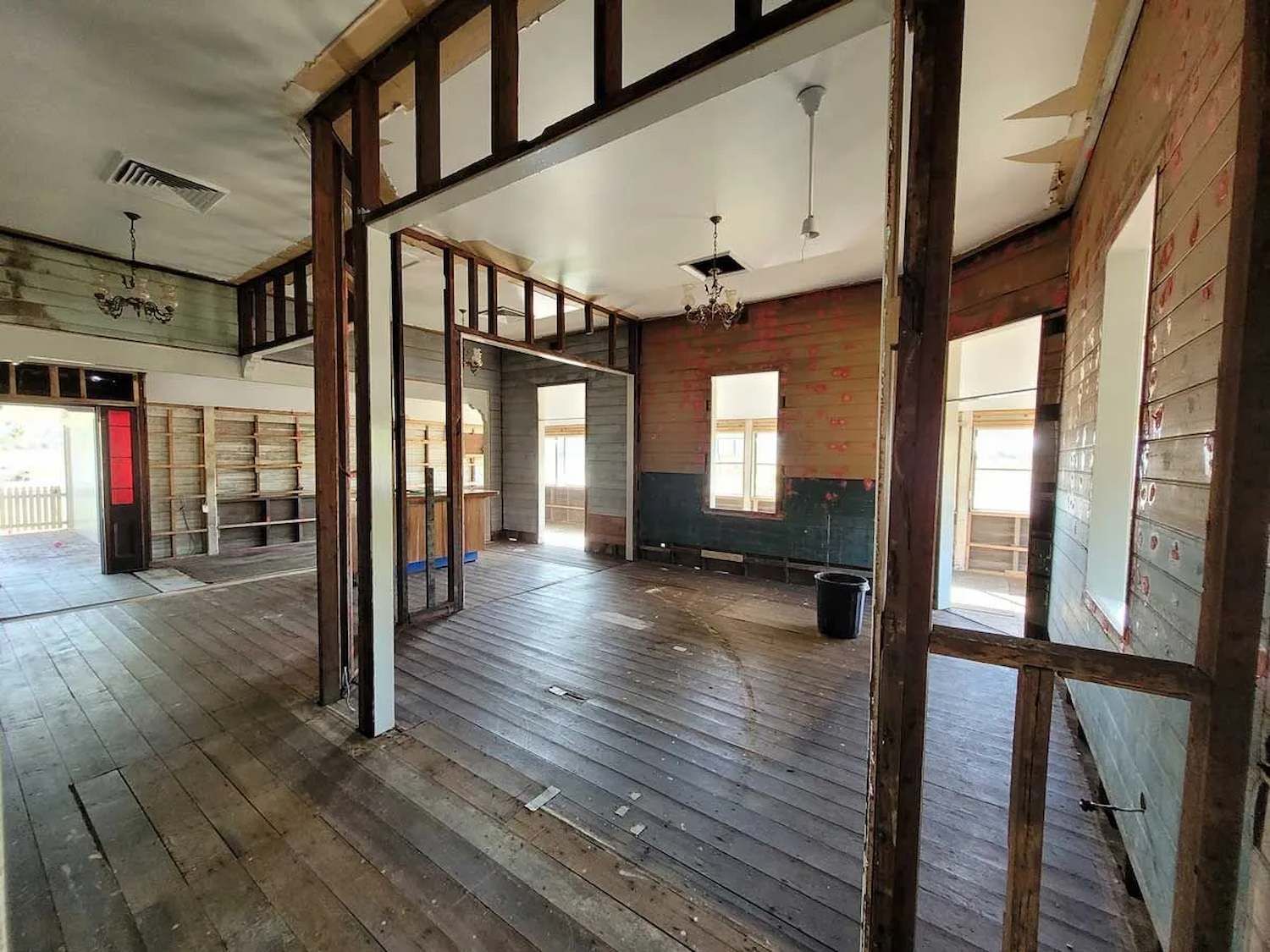
- Removing old ceilings, wall linings, or external cladding
- Drilling into cement sheets to install fixtures or fittings
- Lifting old flooring or disturbing insulation materials
Once fibres are released, they can remain suspended in the air and settle on surfaces throughout the property. Without proper containment and removal, exposure can extend to occupants and neighbouring areas. Licensed asbestos removal ensures these risks are managed safely and in line with regulations.
The long-term health impacts linked to asbestos exposure
The health conditions associated with asbestos exposure are severe and often life-altering. Diseases such as asbestosis, lung cancer, and mesothelioma develop as a result of fibre inhalation and typically take decades to appear. This long latency period makes asbestos particularly dangerous, as exposure is often forgotten by the time symptoms arise.
The risk increases with repeated or prolonged exposure, but even brief exposure can be harmful. There is no cure for asbestos-related diseases, which is why prevention is critical. Professional asbestos removal focuses on eliminating exposure risks before they can lead to serious long-term health consequences.
Why even low-level or repeated exposure should not be ignored
Many people assume that asbestos is only dangerous during major demolition or industrial work. In reality, low-level or repeated exposure can still pose significant health risks, especially over time.
Situations where low-level exposure may occur include:
- Living with ageing asbestos materials that are slowly deteriorating
- Carrying out minor maintenance without realising asbestos is present
- Repeatedly disturbing the same materials during small projects
Each disturbance has the potential to release fibres. Asbestos removal services help eliminate the source of exposure entirely, reducing ongoing risk and providing greater peace of mind for property owners and occupants.
The role of licensed asbestos removers in safe risk management
Licensed asbestos removers are trained to manage asbestos in a controlled and compliant manner. Their role includes identifying asbestos-containing materials, assessing risk levels, and implementing safe removal procedures.
Professional asbestos removal involves strict safety controls, including containment of work areas, use of specialised equipment, and adherence to disposal regulations. These measures are designed to prevent fibre release and protect both workers and occupants. Engaging licensed professionals ensures asbestos is handled responsibly and that health risks are minimised.
What happens during a professional asbestos removal process
The asbestos removal process follows a structured approach to ensure safety from start to finish. While each project is different, the process generally includes:
- Inspection and identification of asbestos-containing materials
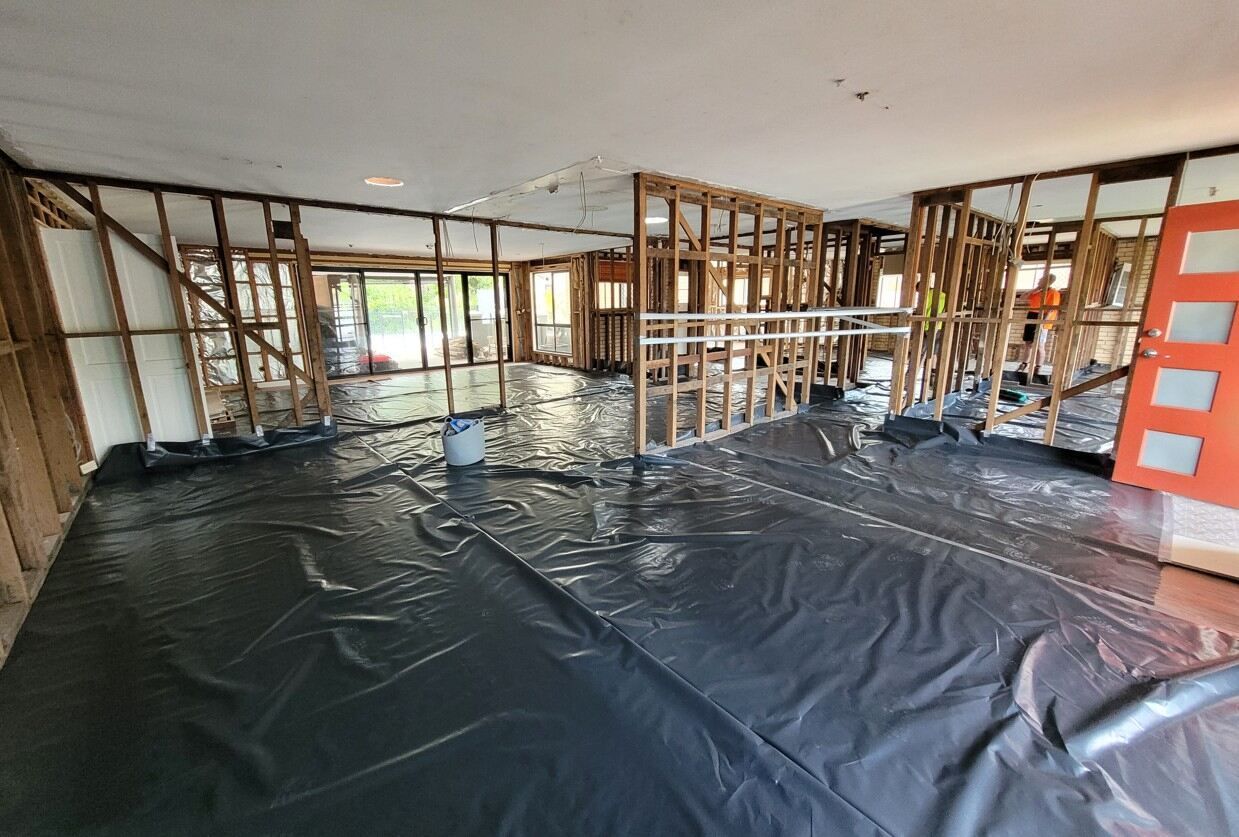
- Preparation of the area to prevent fibre spread
- Careful removal using approved techniques and protective equipment
- Secure packaging, transport, and disposal at authorised facilities
After removal, checks are carried out to ensure the area is safe for reoccupation. This methodical process helps ensure asbestos hazards are addressed thoroughly and correctly.
When early awareness leads to safer outcomes for property owners
Early awareness of asbestos risks allows property owners to take action before exposure occurs. Recognising when asbestos may be present and seeking professional advice before starting work can prevent serious health risks and costly contamination.
By addressing asbestos early, property owners can plan renovations safely, avoid unexpected delays, and protect everyone involved. Proactive management ensures asbestos does not remain a hidden threat, supporting safer living and working environments over the long term.
We at Accredited Asbestos Removers understand the risks property owners face in Lismore, particularly with older homes and buildings where asbestos was commonly used in construction materials. Renovations, repairs, or even routine maintenance can unknowingly disturb asbestos and release harmful fibres into the air, creating serious long-term health risks if not managed correctly. Our licensed team provides professional asbestos inspections and removal services designed to identify hazards early and handle them safely, using compliant procedures and approved disposal methods. Whether you are planning renovations, purchasing a property, or simply want peace of mind about potential asbestos risks, speaking with a qualified professional is the safest first step. To arrange an assessment or discuss your situation, visit https://www.accreditedasbestosremovers.com.au/locations/asbestos-removal-lismore and get in touch with our team today.