DIY Asbestos Removal: Why It’s Illegal & Dangerous In NSW
Pulling down an old fibro fence or removing ageing wall sheeting can look straightforward at first glance. For many NSW property owners, the temptation to handle asbestos materials themselves often comes down to one thing: saving money. But asbestos removal laws in NSW are strict for a reason, and what starts as a weekend project can quickly turn into a serious health and legal issue.
Under the NSW Work Health and Safety Regulations, there are clear rules around who can remove asbestos and how that work must be handled. Once asbestos fibres become airborne, they can stay suspended in the air for hours, settle into surrounding areas and create long-term exposure risks for anyone nearby. The financial consequences can also be significant when fines, contaminated waste handling and property liability are considered.
Understanding the risks behind DIY asbestos removal in Ballina is often the point where many homeowners rethink the ‘it’ll be fine’ approach and start looking at compliant alternatives instead.
What NSW Law Actually Says About Asbestos Removal
NSW asbestos legislation is stricter than many people realise. The Work Health and Safety Regulation 2017 sets out specific requirements around asbestos handling, transport and disposal, including licensing obligations.
In NSW, homeowners can only remove up to 10 square metres of non-friable asbestos themselves. Anything above that limit must legally be removed by a licensed asbestos removalist. Friable asbestos, which can crumble easily and release fibres into the air, must always be handled by a licensed contractor.
The law also extends beyond the physical removal itself. It includes requirements around:
- Safe containment of fibres
- Protective equipment & controls
- Transport procedures
- Disposal at approved facilities
- Preventing contamination of neighbouring properties
Even when the material falls under the 10m² threshold, NSW SafeWork still requires strict safety procedures to reduce exposure risks.
Why Asbestos Becomes Dangerous Once Disturbed
Asbestos-containing materials are often relatively stable when left intact. The risk increases dramatically once the material is cut, sanded, drilled, broken or removed.
When disturbed, microscopic fibres can become airborne. These fibres are invisible to the naked eye and can easily be inhaled without anyone realising exposure has occurred.
Health concerns linked to asbestos exposure include:
- Mesothelioma
- Asbestosis
- Lung cancer
- Pleural thickening
- Other respiratory diseases
One of the most difficult aspects of asbestos-related illness is the delayed onset. Symptoms may not appear for decades after exposure, making it impossible to know immediately whether contamination has occurred.
Older homes, sheds, garages and fencing materials across regional NSW can still contain asbestos products, particularly properties built before the late 1980s.
The Hidden Risk of ‘Small Jobs’
A common misconception is that asbestos only becomes dangerous during large demolition projects. In reality, many contamination incidents happen during small renovation jobs.
Removing a few wall panels or replacing sections of roofing can still release fibres throughout a property if the material is handled incorrectly. Fibres can settle into:
- Carpet
- Soil
- Furniture
- Air conditioning systems
- Roof cavities
- Clothing & footwear
This creates ongoing exposure risks for other occupants long after the original work is finished.
DIY removal can also unintentionally spread contamination into neighbouring properties. In suburban areas, airborne fibres may travel beyond property boundaries, especially during windy conditions.
Why the DIY Savings Calculation Often Falls Apart
The decision to remove asbestos without licensed assistance is often based on upfront cost concerns. On paper, hiring a skip bin and doing the work personally may appear cheaper initially.
The problem is that asbestos removal involves far more than simply tearing materials out and taking them away.
Additional costs can include:
- PPE & disposable protective clothing
- Approved asbestos waste wrapping materials
- Air-tight containment products
- Approved waste transport fees
- Disposal charges at licensed facilities
- Potential decontamination work
- Cleanup of contaminated areas
Fines for illegal asbestos handling or disposal can also be substantial in NSW. If contamination affects neighbouring properties, the financial consequences can increase quickly.
Once property owners factor in the possibility of remediation work, failed disposal attempts or contamination concerns during future property sales, the original ‘saving money’ logic often changes considerably.
Disposal Rules Are Much Stricter Than General Waste
One of the most overlooked parts of DIY asbestos removal is disposal compliance.
Asbestos waste cannot simply be placed into standard bins or dumped with general construction waste. NSW regulations require asbestos materials to be:
- Double wrapped in approved thick plastic
- Clearly labelled
- Sealed correctly
- Transported safely
- Taken to authorised disposal facilities
Improper disposal creates risks for waste workers, transport operators and the broader community.
Illegal dumping also carries significant penalties. In some cases, asbestos waste left at unapproved sites can trigger environmental investigations and expensive cleanup orders.
Licensed asbestos removal contractors follow regulated disposal processes designed to reduce contamination risks during every stage of removal and transport.
The Risk Extends Beyond the Homeowner
DIY asbestos removal doesn’t only affect the person performing the work. Family members, visitors, neighbours and tradespeople can all be exposed if fibres spread through the property.
This becomes particularly important during renovations where other contractors may later enter the area without knowing contamination has occurred.
Potential exposure pathways can include:
- Dust tracked through the house
- Fibres entering ventilation systems
- Residue left in ceiling spaces
- Contaminated soil around gardens
- Clothing carrying fibres indoors
Because asbestos fibres are microscopic, contamination may not be visible even when it is present.
For landlords and property owners, there may also be broader legal responsibilities regarding tenant safety and disclosure obligations.
Older Properties Can Contain Asbestos in Unexpected Areas
Many people associate asbestos purely with old fibro walls, but asbestos-containing materials were used in a wide range of building products across Australia for decades.
Common locations can include:
- Eaves & soffits
- Roofing sheets
- Vinyl floor backing
- Fencing
- Insulation materials
- Bathroom sheeting
- Cement pipes
- Textured wall coatings
- Garages & sheds
Without proper identification, homeowners may unknowingly disturb asbestos during routine maintenance work.
This is one reason asbestos inspections and testing are often recommended before renovations begin, particularly in older NSW homes.
Licensed Removal Changes the Entire Risk Profile
Licensed asbestos removal involves structured procedures designed to minimise exposure and contamination risks during removal work.
This typically includes:
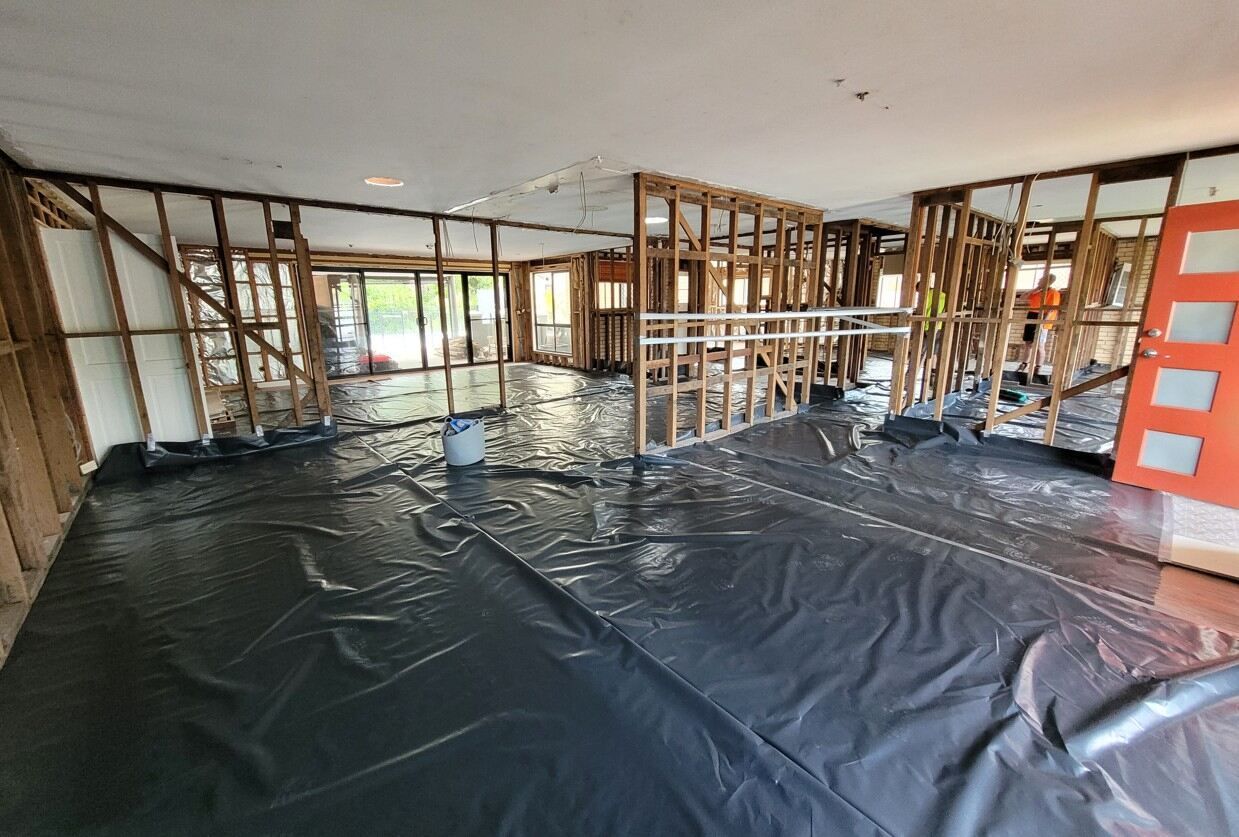
- Site preparation & containment
- Controlled removal methods
- Fibre suppression measures
- Waste sealing procedures
- Regulated transport practices
- Thorough cleanup processes
Using licensed contractors also creates documented evidence that the asbestos was handled and disposed of in accordance with NSW regulations. That documentation may become important later during property sales, insurance matters or renovation approvals.
For homeowners already managing renovation costs, compliant asbestos removal is often less financially risky than dealing with contamination issues after a failed DIY attempt.
Moving Forward Safely
Attempting DIY asbestos removal can appear manageable at first, especially when online videos and renovation forums make the process look simple. But NSW asbestos laws exist because fibre exposure can have long-term consequences that are not immediately visible.
The combination of legal obligations, health concerns, disposal requirements and contamination risks means DIY asbestos work can become far more expensive than expected.
At Accredited Asbestos Removers, we help property owners organise compliant asbestos removal work for homes and buildings across the Ballina region. If you’re planning renovations, dealing with ageing asbestos materials or need guidance around safe asbestos handling, our team can assist with information about asbestos removal in Ballina that meets NSW requirements.